
Insight 41 — The Order of Preparation in Post and Core: When Access Determines the Path
Published:
Last reviewed:
فارسی
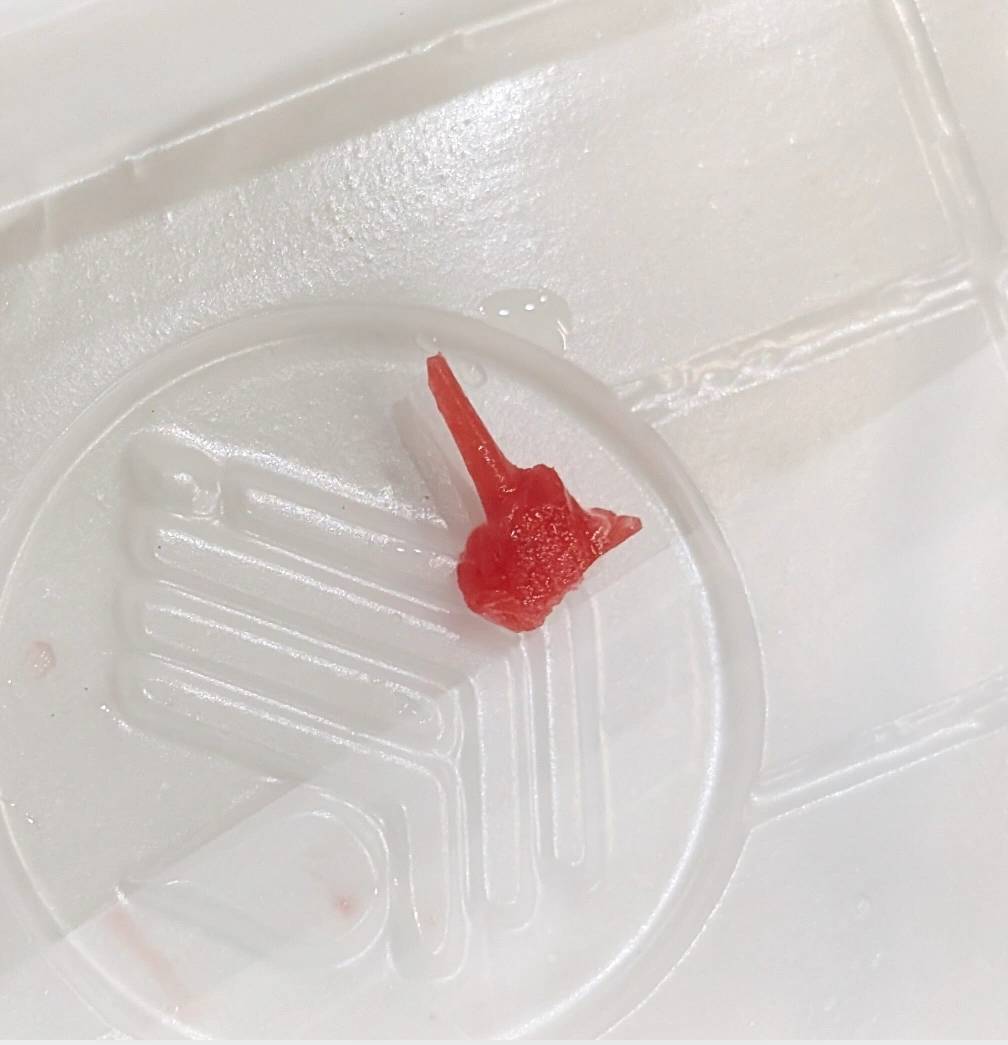
Clinical explanation
Preparation as a dynamic process, not a fixed sequence
- In preparing the resin for post and core, there are usually two mental approaches to the order of preparation. In the method that many of us learned during general dentistry, first the height is adjusted and then the walls and the peripheral form of the core are shaped.
- But in another approach — which in many cases seems more practical in prosthodontics — first the walls and the peripheral form are adjusted and the height reduction is deferred to the final stage.
- The reality is that neither is inherently «more correct». The order of preparation is part of the strategy of access and field control; not an absolute rule.
- In some conditions, especially when space is limited or there is not enough direct vision, initial reduction of the height can create working room, better vision, and more suitable access for continuing the preparation.
- Sometimes even preparing one or two walls before reducing the height provides a more suitable path for continuing the work. In fact, during the work the operator may, depending on conditions, repeatedly switch between these two strategies.
- This becomes more important in teeth such as the maxillary third molar, especially in patients with limited mouth opening. In such conditions, preparation is no longer just «shaping»; it is a kind of staged management of space.
- Sometimes the clinician is forced to make the conditions more accessible for continuing treatment gradually and tactically, by removing part of the height or modifying some walls, so that the working field can be opened step by step.
- The important point is that the clinician's mind should not be limited to a fixed sequence. Sometimes the best order of preparation is the one that provides better control of the hand, vision, and the path of movement of the instrument.
-
Key point:
In many prosthetic preparations, the order of the steps is not predetermined; rather, it takes shape during the work and based on access, vision, anatomy, and clinical limitations. Sometimes the success of the treatment depends not on the «type of preparation», but on the ability to gradually create space for continuing the path.
The content of this page is intended for the educational use of dentists and dental students.