
Insight 44 — When a Crown Is Not Stable on the Tooth: a Simple Trick for Temporary Stabilization
Published:
Last reviewed:
فارسی
Clinical explanation
Sometimes the problem is not the crown itself; it is that it does not seat in place on the tooth or abutment
- Consider a situation where the crown has been made, but when you place it on the tooth or abutment, it is not stable and does not sit in its correct position. When the crown does not have the correct place and the correct position, practically no evaluation is reliable. You cannot see the appearance and fit correctly, you cannot check the occlusion, and adjustment also becomes meaningless — because whatever you see is an image of the crown in a position it is not going to stay in.
- The root of the problem is that there is nothing between the inner surface of the crown and the tooth to create temporary retention or friction. What we need is neither cement — which becomes irreversible — nor any other permanent material; rather, something that, only at this stage, keeps the crown in its correct position and is then easily removed.
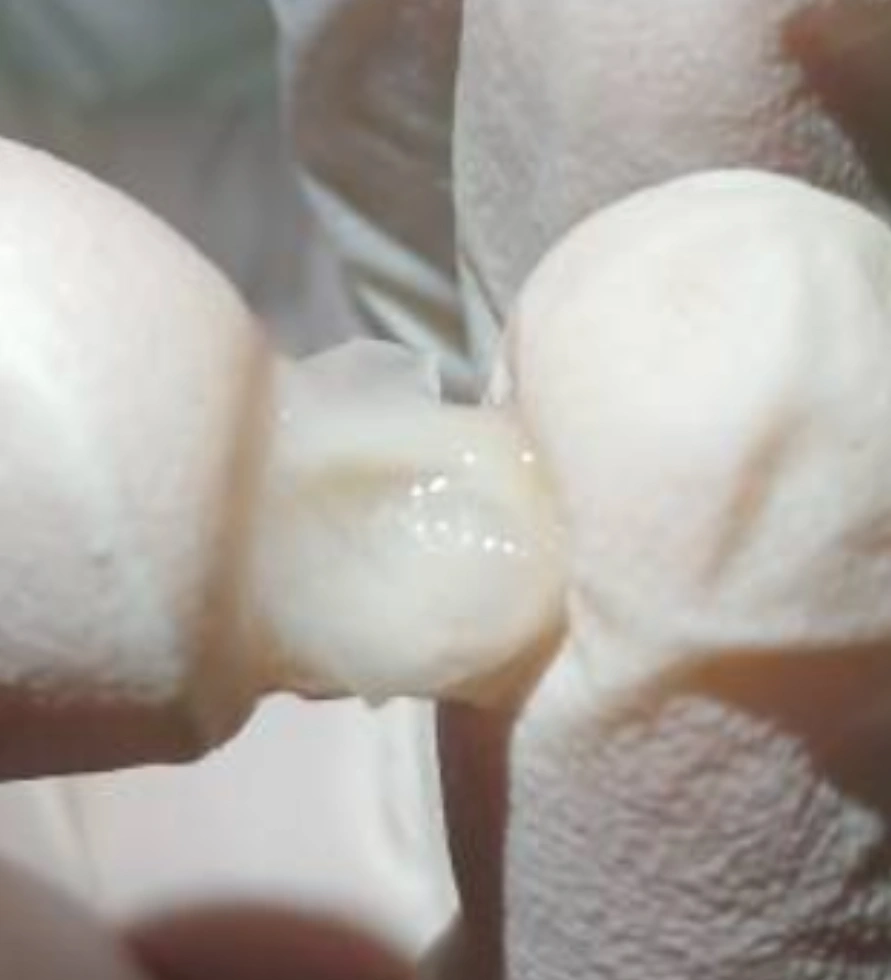
- The solution is simple. Place a small piece of tissue paper under the inner surface of the crown, wet it, and place the crown on the tooth. That wet tissue paper creates a viscous state between the crown and the tooth — a semi-adhesive layer that keeps the crown in its correct place without locking it. Now the crown is stable enough and in the correct position that you can see the appearance, check the occlusion, and make the necessary adjustments.
-
Key point:
When the crown is not stable on the tooth or abutment, it does not sit in its correct position, and this makes checking the appearance, checking and adjusting the occlusion, and other evaluations unreliable — because what you see is the crown in the wrong place. A temporary viscous medium solves this problem: a small, wet piece of tissue paper under the inner surface of the crown. This layer keeps the crown in its correct position so that you can do all the evaluations and adjustments, and is then simply removed.
The content of this page is intended for the educational use of dentists and dental students.