
Insight — If It Works, Let It Work
Clinical Insight
Not every «non-ideal» pattern is necessarily pathological; sometimes the best treatment is not treating.
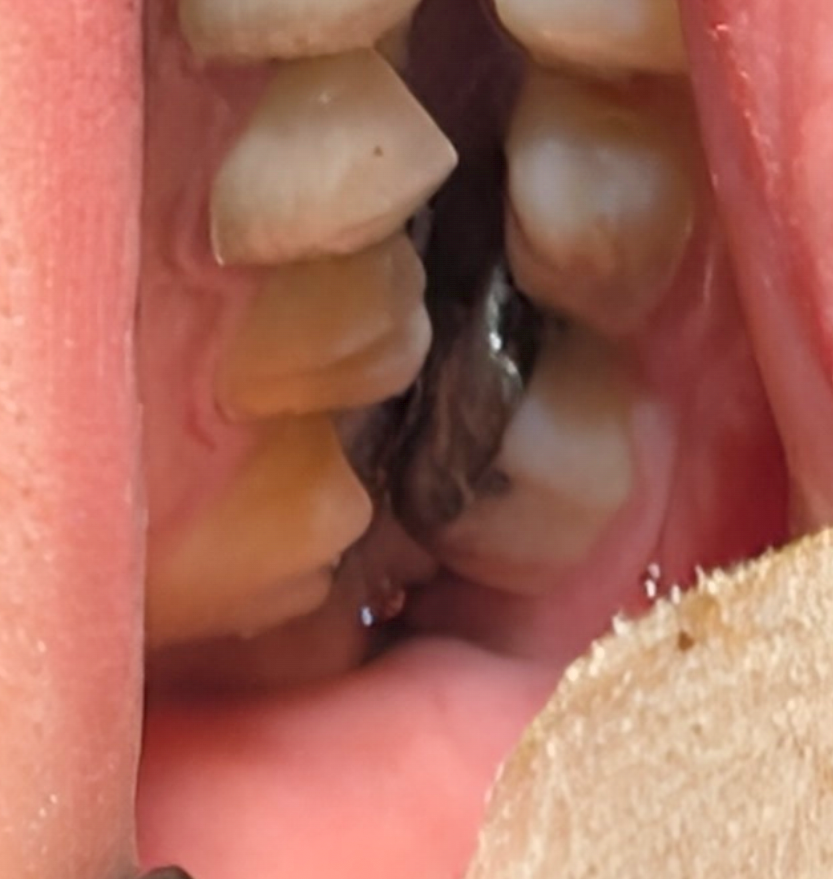
In this patient, during lateral movements the jaw fully disoccluded on a supraerupted third molar; a clear interference and, by the book, one of the worst contact points.
But the important point was: the patient had no symptoms at all.
1️⃣ Assessing the patient's status: a stable, asymptomatic system
The patient did not have the following symptoms:
- Muscle pain
- Joint sound
- A feeling of catching
- Occlusal awareness
His jaw–muscle system has remained stable for years with this very «non-ideal» pattern.
2️⃣ The clinical approach: occlusion is not just textbook correction
In such situations, clinical experience says:
Not every «non-ideal» pattern is necessarily pathological; sometimes the body has found its own way.
3️⃣ The risk of intervening in a stable system
Yes — if the wisdom tooth were extracted, the interference would be removed. But the goal in occlusion is not to «make it textbook»; it is to avoid creating a problem for no reason.
Touching the one point that has been stable for years can turn an asymptomatic patient into:
- A patient aware of their occlusion
- With permanent sensitivity
- And entering a cycle of endless treatments
4️⃣ The consequences of occlusal awareness
Reversing this awareness is far harder than leaving the current stable system alone:
- Obsessive preoccupation
- The risk of aimless treatments
- Extra cost and stress for the patient
️ Final summary
Considering:
- The absence of any TMD or muscular symptoms
- The long-term stability of the occlusal system
- The high risk of unnecessary intervention
The best treatment plan: non-intervention
Sometimes the best treatment is not treating. If it works, let it work.
The content of this page is intended for the educational use of dentists and dental students.