
Insight 94 — A Simple Clue for Better Crown Design
Clinical Explanation
One of the keys to crown design is matching its cusp inclinations to those of the patient’s own teeth.
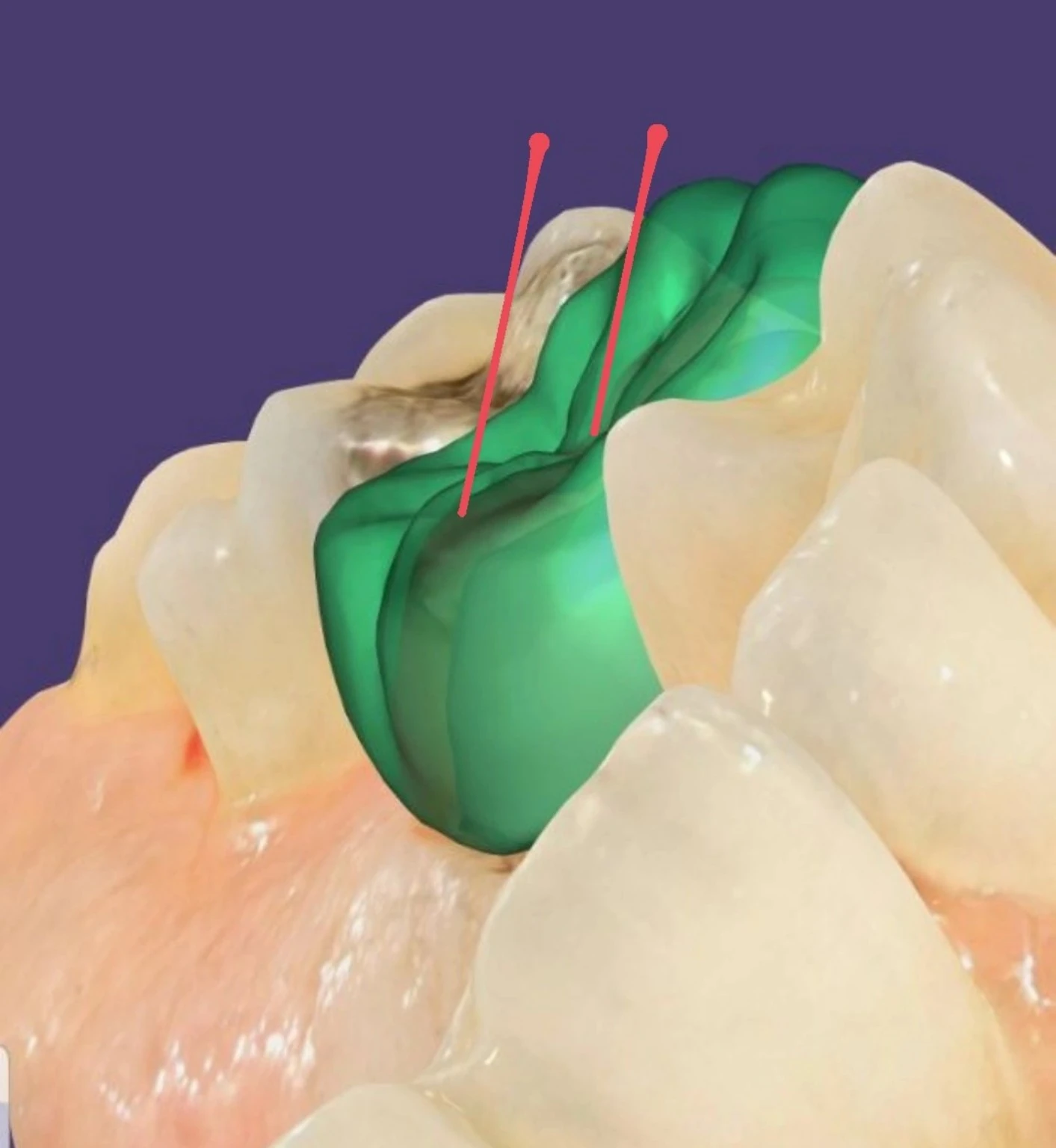
When fabricating a crown, we often lack precise information about the patient’s mandibular movements or the effects of anterior guidance and the paths of condylar movement. However, we can make intelligent use of their effects. The patient’s existing teeth, provided they have no problems in form or function, offer a clue to this coordination.
The reasoning is simple: whatever the form and paths of the patient’s mandibular movements, teeth that function without problems within this system can provide a useful design model. We therefore match the crown’s cusp inclinations to those of reliable teeth in the same patient. This is our best estimate based on the available information.
If you are a dentist or design crowns in a laboratory, pay attention to the cusp inclinations of the patient’s teeth; these inclinations can guide your design.
The content of this page is intended for the educational use of dentists and dental students.