
Share Hub — Stripped Screw in Implant-Supported Prostheses
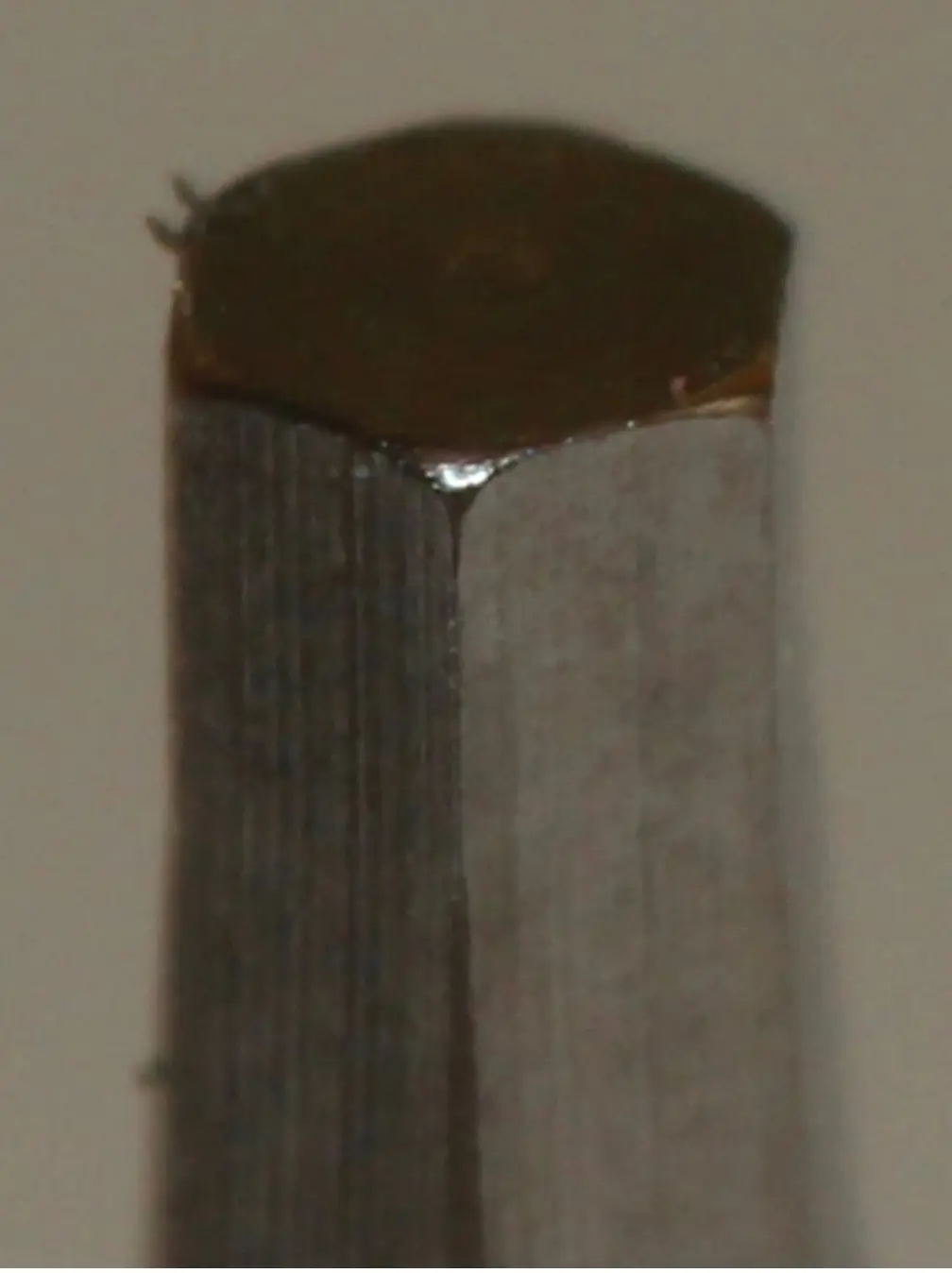
One of the most difficult screw problems and complications in implant-supported prostheses is a screw that has been torqued and whose head has become stripped; in other words, it neither tightens nor loosens.
Regardless of what solutions exist for this problem, the cause of this event can be any of several things; including a mismatch between the driver size and the screw head, improper alignment of the driver while torquing, excessive torque, a counterfeit screw or one incompatible with the system, contamination present in the screw head, damage to the screw head in the laboratory or the clinic, and so on.
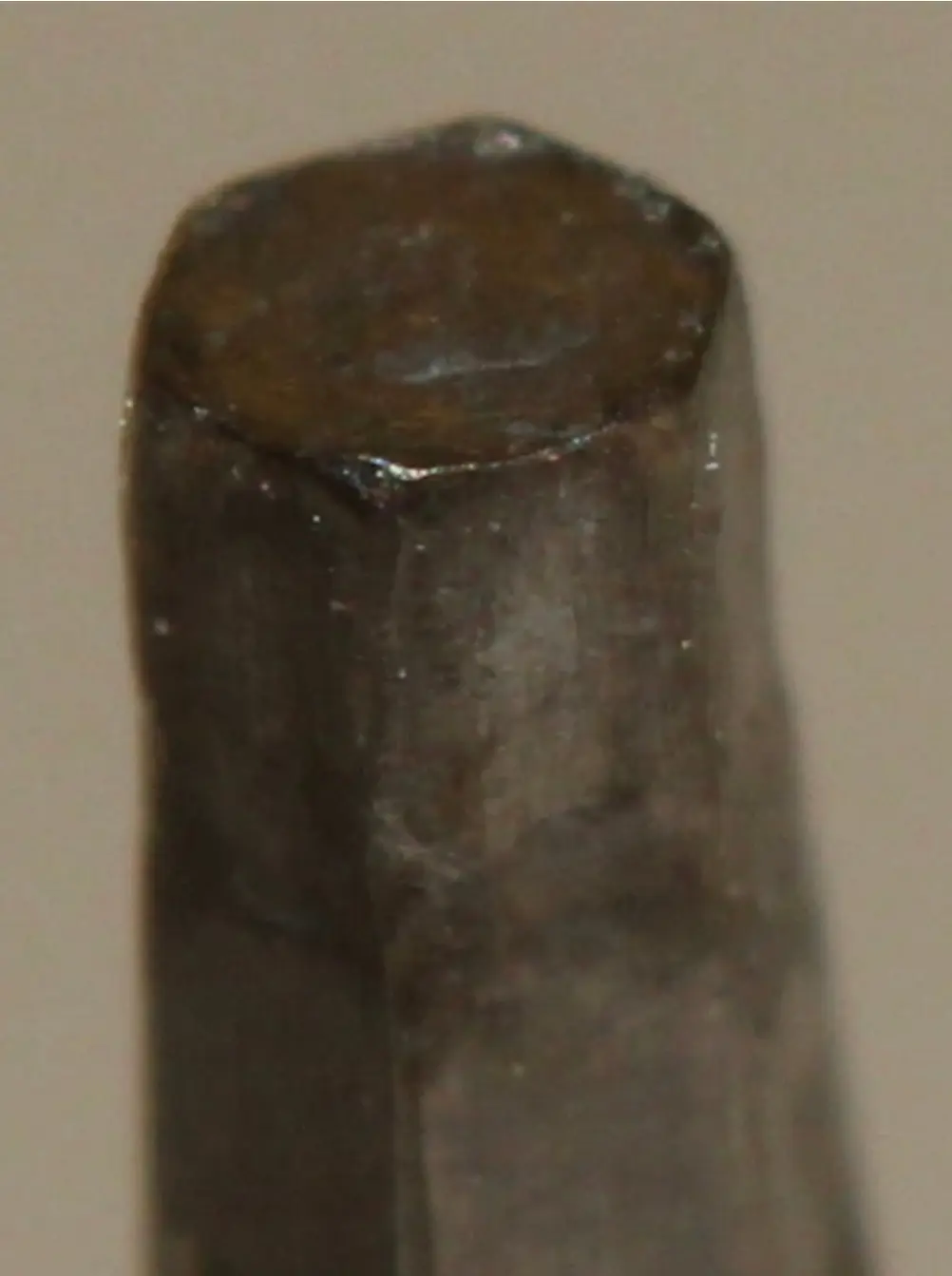
One of the most common causes of this event is the use of old or worn drivers. Drivers that do not fit properly into the screw head and, while torquing, cause deformation and serious damage to the screw head.
An Important Warning Sign
One of the first signs of this event is the driver getting stuck in the screw head after torquing and being difficult to separate from the screw head.
This event is a warning; a sign that says this driver should no longer be used for the final torque at delivery. Such a driver must be demoted from "torquing duty" and used only for opening and closing the screw between the stages of work, without final torque.
Depending on the type of system and the material of the driver, it is usually recommended that after about 40 to 60 torque applications, the driver be retired from the final-torque cycle.