
Chairside 50
When the space left after orthodontics is handed over to restorations
The patient came in with a referral letter from an orthodontist. Initially there were spaces between the anterior teeth, and the orthodontist had partly moved these spaces back: on one side between teeth 4 and 5, and on the other side between teeth 5 and 6. The letter said that, given the presence of caries and the need for restorations and possibly crowns, these spaces had been kept for prosthetic restoration, and it asked for the spaces to be closed with restorations.
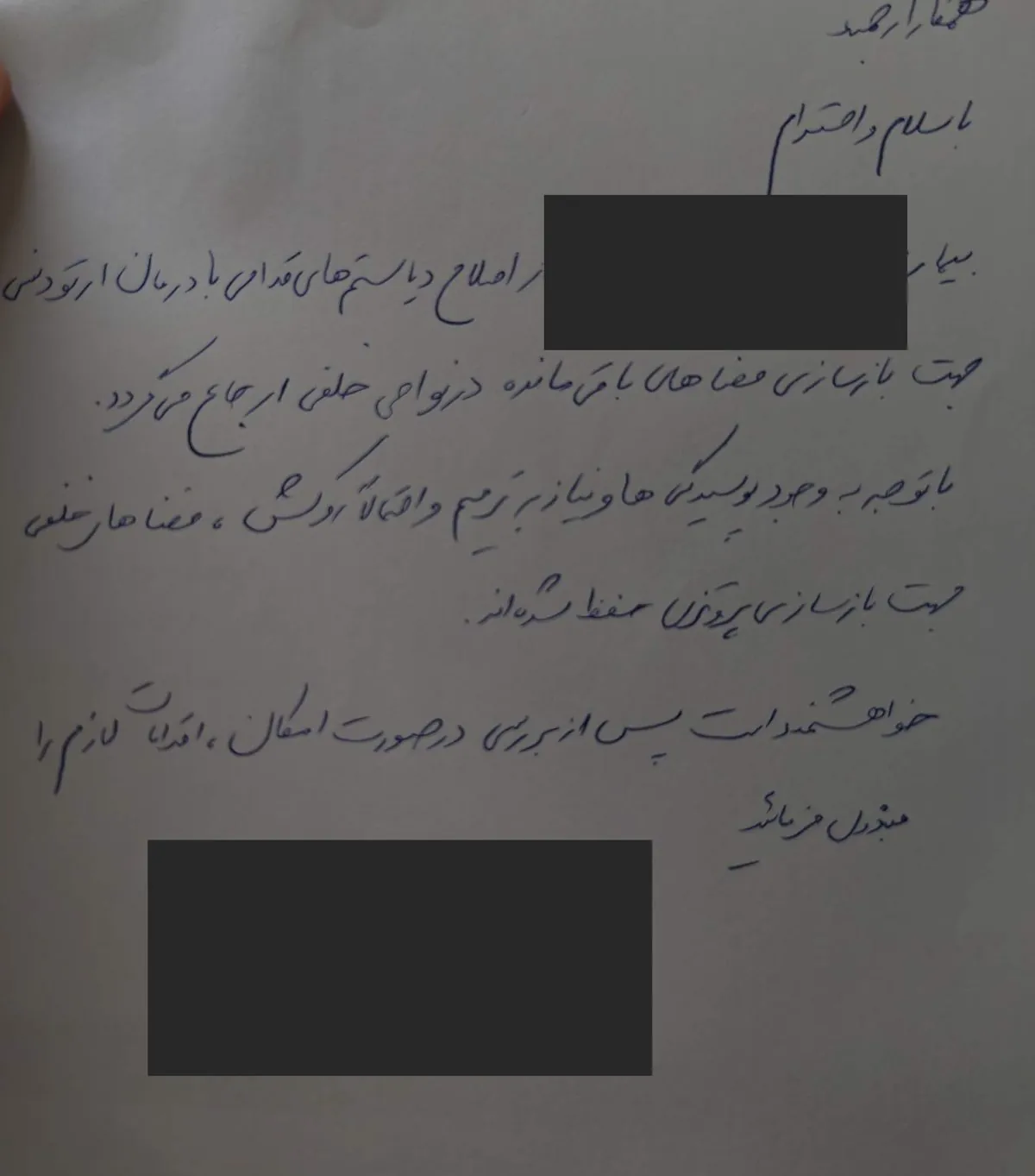
On examination, I checked both the premolars and the molars. All of these teeth had complete form, and their contours were correct. In other words, to close the spaces with restorations, I would have had to deliberately overcontour teeth that had a natural, correct form.
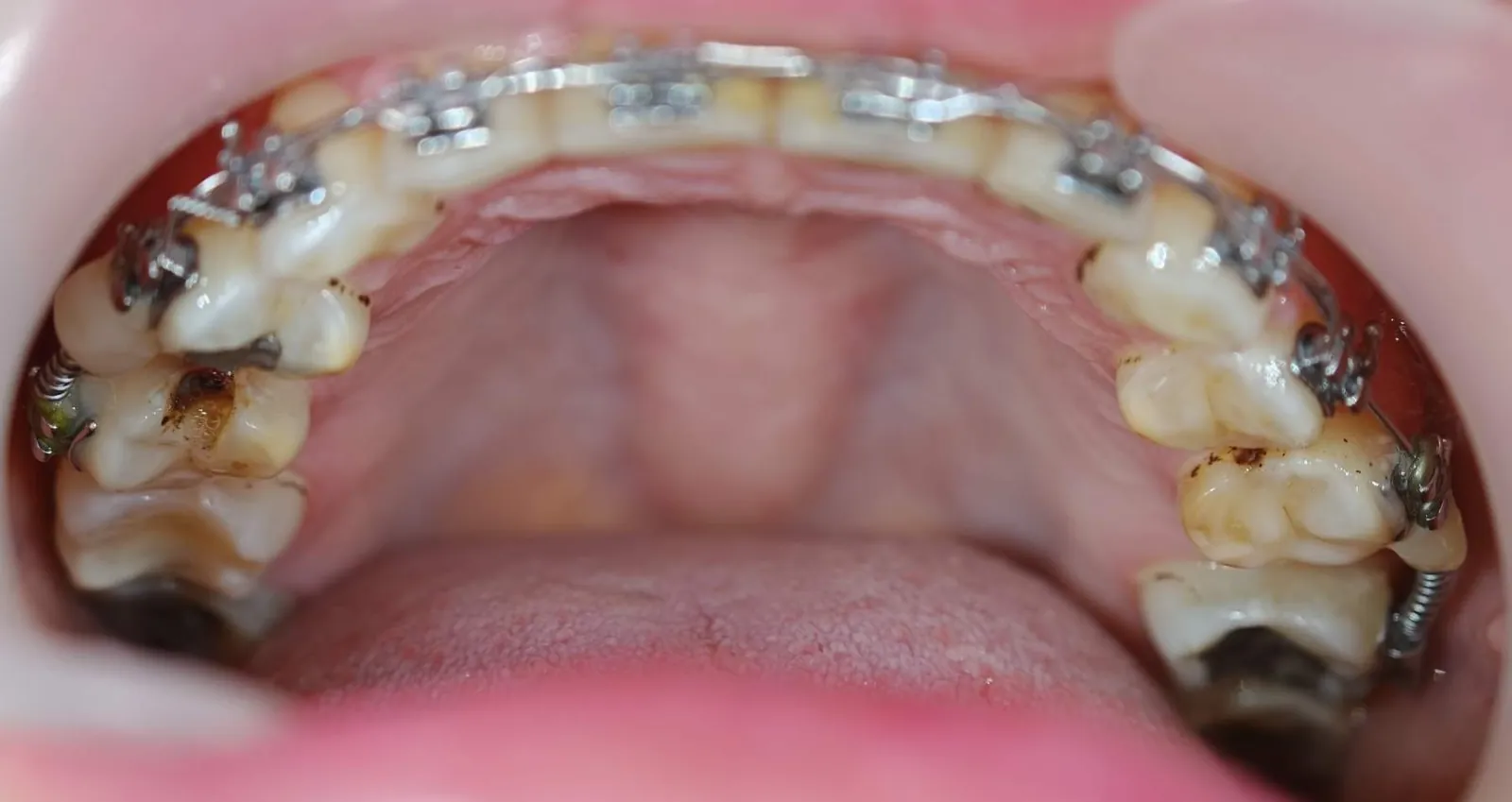
Overcontouring these teeth disrupts the form of the embrasures and sets the stage for food impaction and, in turn, caries. In the premolars an esthetic problem is added as well: if we try to fill the space by widening these teeth, we effectively end up with wide, unattractive teeth.
For this reason, I explained to the patient that these spaces should be closed with orthodontic treatment, not with restorations.
Clinical tip: before agreeing to close a space with restorations, check the form and contour of the teeth on both sides of the space. When the teeth have complete form, a restoration can fill the space only by overcontouring, and the price is improper embrasures, food impaction, caries and a poor appearance.
This page is intended for educational use by dentists and dental students.